
How to Protect Your Belongings from Kansas Humidity
Practical steps to keep your stored items safe through every season.

If you’ve lived in southeast Kansas for any length of time, you know the humidity can be brutal. Labette County summers regularly push past 80% relative humidity, and even fall and spring bring damp stretches that can take a toll on stored belongings. Whether you’re keeping furniture, clothing, electronics, or family heirlooms in a mini storage unit on US-59, a little preparation goes a long way toward keeping everything in the same condition it was when you packed it up.
We hear the question all the time at Labette County Storage: “Will my stuff get moldy in storage?” The honest answer is that it can happen if you don’t take precautions — but with some straightforward steps, the vast majority of our tenants never have a single issue. This guide walks you through everything you need to know about protecting your belongings from Kansas humidity in a self storage unit.
Why Kansas Humidity Is a Big Deal for Stored Items
Moisture in the air doesn’t just make things feel sticky — it can cause real damage over time. Southeast Kansas sits in a part of the country where warm, moist air from the Gulf of Mexico collides with continental air masses, and that means our relative humidity levels can be some of the highest in the Midwest. In a storage unit, prolonged high humidity can lead to:
- Mold and mildew on fabrics, upholstery, and paper goods
- Warping and swelling in wood furniture and musical instruments
- Rust and corrosion on metal tools, equipment, and appliances
- Musty odors that can be extremely difficult to remove from clothing and linens
- Degradation of photos and documents that simply can’t be replaced
So what’s the worst month for humidity in Kansas? July and August are typically the peak, with average relative humidity hovering in the 70–85% range during morning hours here in Labette County. But don’t let your guard down in May, June, or September either — those shoulder months can bring unexpected damp spells, especially after a heavy rain rolls through. If you’ve ever walked around Forest Park on a muggy July morning and felt like you were swimming through the air, you know exactly what we’re talking about.
The good news is that most humidity-related damage is entirely preventable with some basic steps before and during storage. You don’t need fancy equipment or a huge budget — just a little know-how and some regular attention.
Use Moisture Absorbers
Products like DampRid or silica gel packets are inexpensive and remarkably effective for a mini storage unit. Place a moisture absorber near the front of your unit and another toward the back. For a standard 10x10 or 10x15 unit, two to three containers should be plenty. Check and replace them every two to three months — more often during July and August when Labette County humidity peaks.
Another question we get asked frequently is “Do I need climate-controlled storage?” For most everyday household items, a standard self storage unit with moisture absorbers does the job just fine. Climate-controlled units are typically recommended for extremely valuable collections, fine art, wine, or sensitive musical instruments. For the furniture, seasonal clothing, tools, and household goods that most Parsons residents store, the tips in this article will serve you well in a standard drive-up unit.
You can pick up DampRid at most hardware stores in the Parsons area, and silica gel packets are available online in bulk for just a few dollars. It’s one of the cheapest forms of insurance you can buy for your stored belongings.
Keep Everything Off the Ground
Even in a well-sealed storage unit, the concrete floor can transfer moisture through a process called capillary action. On a rainy week — and we get plenty of those in Labette County — that slab can feel damp to the touch. Use wooden pallets, plastic shelving, or even a few 2x4s to elevate your boxes and furniture at least a couple of inches off the ground.
This also improves air circulation underneath your items, which helps keep the overall humidity level in check inside the unit. Think of it like this: stagnant air trapped against a cool concrete floor is where condensation forms first. By lifting everything up, you’re giving that air room to move around. At our facility on US-59, our units feature drive-up access that makes it easy to bring in pallets or shelving units right from your truck bed.
If you’re storing a large amount of items, consider leaving a few inches of space between your boxes and the walls as well. This creates a channel of airflow around the perimeter of your unit that helps prevent moisture pockets from forming in corners.
Choose the Right Packing Materials
What you pack with matters just as much as how you pack. For humidity protection in southeast Kansas, the right materials can make or break your storage experience:
- Plastic bins with tight lids beat cardboard for anything moisture-sensitive. Cardboard absorbs humidity like a sponge and can weaken, collapse, or grow mold over time. If you do use cardboard, avoid stacking more than three boxes high — humidity-weakened boxes can buckle.
- Breathable furniture covers (cotton or canvas) are better than plastic wrap, which traps moisture against surfaces and actually promotes mildew. This is one of the most common mistakes we see.
- Acid-free tissue paper works well for wrapping delicate fabrics, photographs, and paper documents you want to preserve.
- Vacuum-sealed bags are great for clothing, bedding, and linens — they remove air and create a moisture barrier that humidity simply can’t penetrate.
Not sure how much packing material you’ll need for your unit? Our size guide can help you figure out how much space your belongings will take up, which makes it easier to estimate your packing supply needs too.
Protect Wood Furniture and Leather
Kansas humidity swings can be tough on wood. In summer, wood absorbs moisture and expands. In winter, it dries out and contracts. Over time, this cycle can cause cracking, warping, and joint loosening. Anyone who’s refinished an old table from a Labette County estate sale knows how much damage moisture can do over the years. Before storing wood furniture:
- Clean and apply a coat of furniture polish or wax to seal the surface
- Remove drawers and store them separately to prevent swelling shut
- Place felt pads between stacked wood pieces to prevent scratching and allow airflow
- Never place wood furniture directly against exterior walls, where temperature differences can create condensation
Can you store leather safely in a self storage unit? Yes, but leather needs some extra care. Humidity can cause leather to develop mold, and once that happens, it’s very difficult to restore. Before storing leather furniture, jackets, or boots, clean them thoroughly and apply a leather conditioner. Cover leather items with breathable cotton sheets — never plastic. Place silica gel packets nearby, and check on leather items more frequently than other belongings, especially during the summer months.
Protect Electronics and Appliances
Electronics are especially vulnerable to moisture. Condensation on circuit boards can cause permanent damage — and unfortunately, that kind of damage often doesn’t show up until you plug the item back in. If you’re storing computers, TVs, gaming consoles, or other electronics in your mini storage unit:
- Use original packaging if you still have it — it’s designed to protect against environmental factors including humidity
- Wrap items in anti-static bubble wrap, not regular plastic
- Include silica gel packets inside the box, especially for items with exposed ports or vents
- For appliances like refrigerators and washing machines, make sure they’re completely dry inside before storing, and leave doors slightly ajar to prevent mildew buildup
A lot of folks moving to the Parsons area will store appliances from their previous home while they figure out what fits in their new place. If that’s you, take the extra time to clean and dry appliances thoroughly before they go into storage. Run an empty cycle with vinegar in your washing machine, pull the fridge away from the wall and let it air out for a day or two, and wipe down the interior of your dishwasher. These small steps save you from unpleasant surprises later.
Clothing and Fabric Storage
Parsons residents storing seasonal wardrobes or extra linens should pay special attention to fabrics. Humidity can turn a closet’s worth of clothes into a musty mess in just a few months if you’re not careful. Whether you’re stashing winter coats during the hot months or putting away summer clothes before the first frost, here’s what works:
- Wash and fully dry all clothing before packing — even small amounts of residual moisture can lead to mildew
- Use vacuum-sealed bags or plastic bins, not cardboard boxes
- Add cedar blocks or lavender sachets to deter moths and absorb mild moisture
- Avoid hanging clothes long-term in storage, as hangers can distort shoulders and stretch fabric over time
- For special items like wedding dresses, military uniforms, or vintage clothing, consider acid-free garment boxes with tissue paper
We’re a veteran-owned business, so we understand the value of properly storing military uniforms and gear. If you’re stationed nearby or transitioning out of service, we offer a 10% military discount on all our self storage units — and we’re happy to share tips on storing uniforms and equipment the right way.
Check In Regularly
How often should you check your storage unit? We recommend visiting at least once every six to eight weeks, and monthly during the peak humidity months of June through September. A quick five-minute walkthrough lets you check moisture absorbers, look for any signs of dampness, and catch small issues before they become big problems.
When you visit, here’s a quick checklist to run through:
- Check your DampRid or silica gel — replace if they’re full or spent
- Look at the bottom of cardboard boxes for soft spots or discoloration
- Sniff for any musty odors, which are the first sign of mildew forming
- Feel the concrete floor near the walls for dampness
- Make sure your furniture covers haven’t slipped or bunched up
Our US-59 location makes it easy to stop by during a regular errand run. We’re right off US-59, so you can swing by on your way to downtown Parsons, after a trip to Forest Park, or on your way home from the Labette County Fair. With 24/7 security cameras on site, your belongings are always being watched over even when you’re not there.
Consider Tenant Protection
Despite your best efforts, Kansas weather can be unpredictable. We live in tornado alley, and severe storms can roll through Labette County with little warning. A tenant protection plan covers your stored belongings against water damage from storms, flooding, and other unexpected events. Plans start at just a few dollars a month — a small price for serious peace of mind.
Your homeowner’s or renter’s insurance may provide some coverage for items in a self storage unit, but many policies have significant limitations or exclusions for off-premises storage. It’s worth checking with your insurance agent to understand what’s covered and what isn’t. For most tenants, a dedicated tenant protection plan fills in the gaps and costs less than you’d expect. Check out our FAQ page for more details on how protection plans work.
You’ve Got This
Kansas humidity is a real thing, but it doesn’t have to be a dealbreaker for storing your belongings. With moisture absorbers, proper packing materials, good airflow, and regular check-ins, your items will come out of storage looking just as good as when they went in. Thousands of Labette County residents store their belongings year-round without any problems — and you can too.
Need help deciding what size mini storage unit works best for your items? Check out our size guide or give us a call at (620) 778-8196. Labette County Storage is locally owned by Midwest Storage Solutions LLC, and we’re always happy to help Parsons residents find the right self storage solution. We offer month-to-month leases with no long-term commitment, a free lock with every unit, drive-up access, and that 10% military discount we mentioned. Stop by 1830 S US-59 any time — we’d love to show you around.
More from the Blog
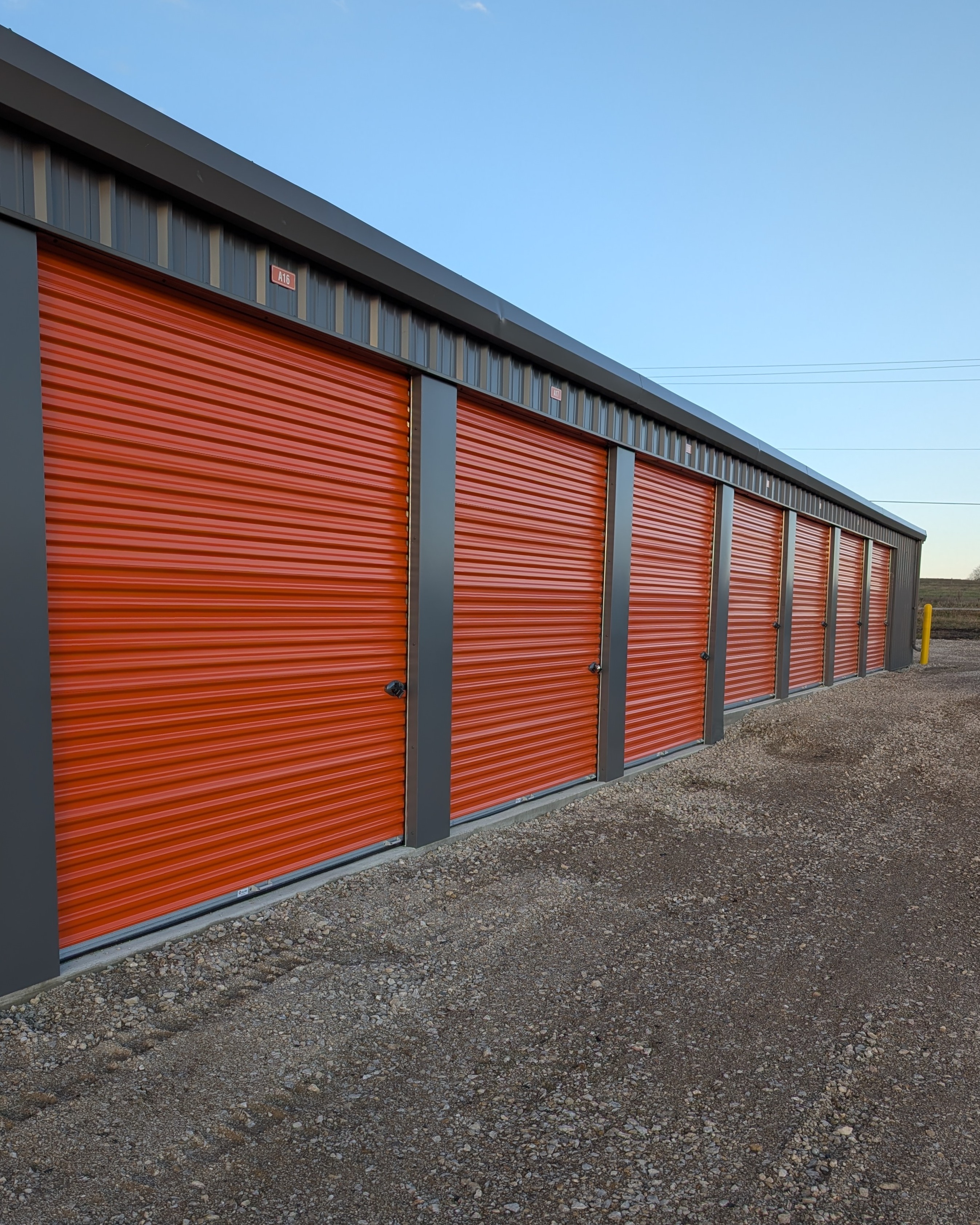
Tips for Storing Items Long-Term
Learn how to properly pack, protect, and organize your unit so everything stays in great shape.
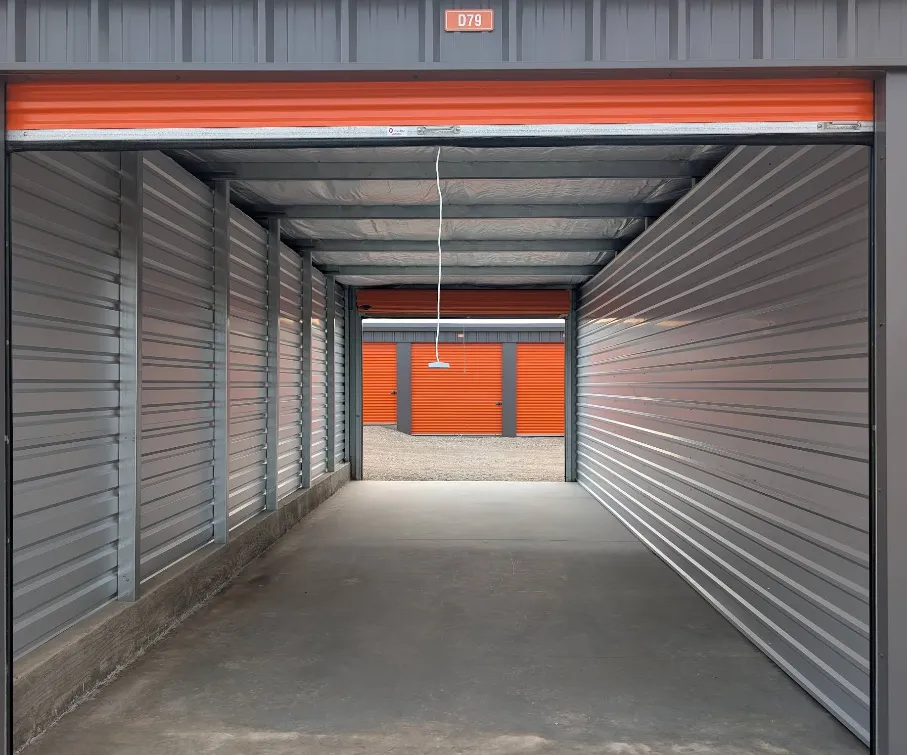
How to Choose the Right Storage Unit Size
From small closets to large garage-sized units, here’s how to pick the perfect fit.

What Is Tenant Protection and Do You Need It?
Your insurance might not cover items in storage. Here’s what to know.